Work
Twelve sites, designed and built by Branddirr, live and open to inspect. They are craft demos we produced ourselves rather than paid-client work, so treat them as evidence of how we build, not of what a client earned. The method previews further down are our own deliverable formats.
Public craft demos
Public builds to inspect
These are Branddirr-built demos, not paid-client case studies. Open any preview to inspect the live implementation.

Craft demo · Corporate
Oxlen
A corporate site with clear service hierarchy and restrained visual direction.
Opens in a new tab
Craft demo · Professional Services
Notary
A professional-services layout that keeps the booking path easy to find.
Opens in a new tab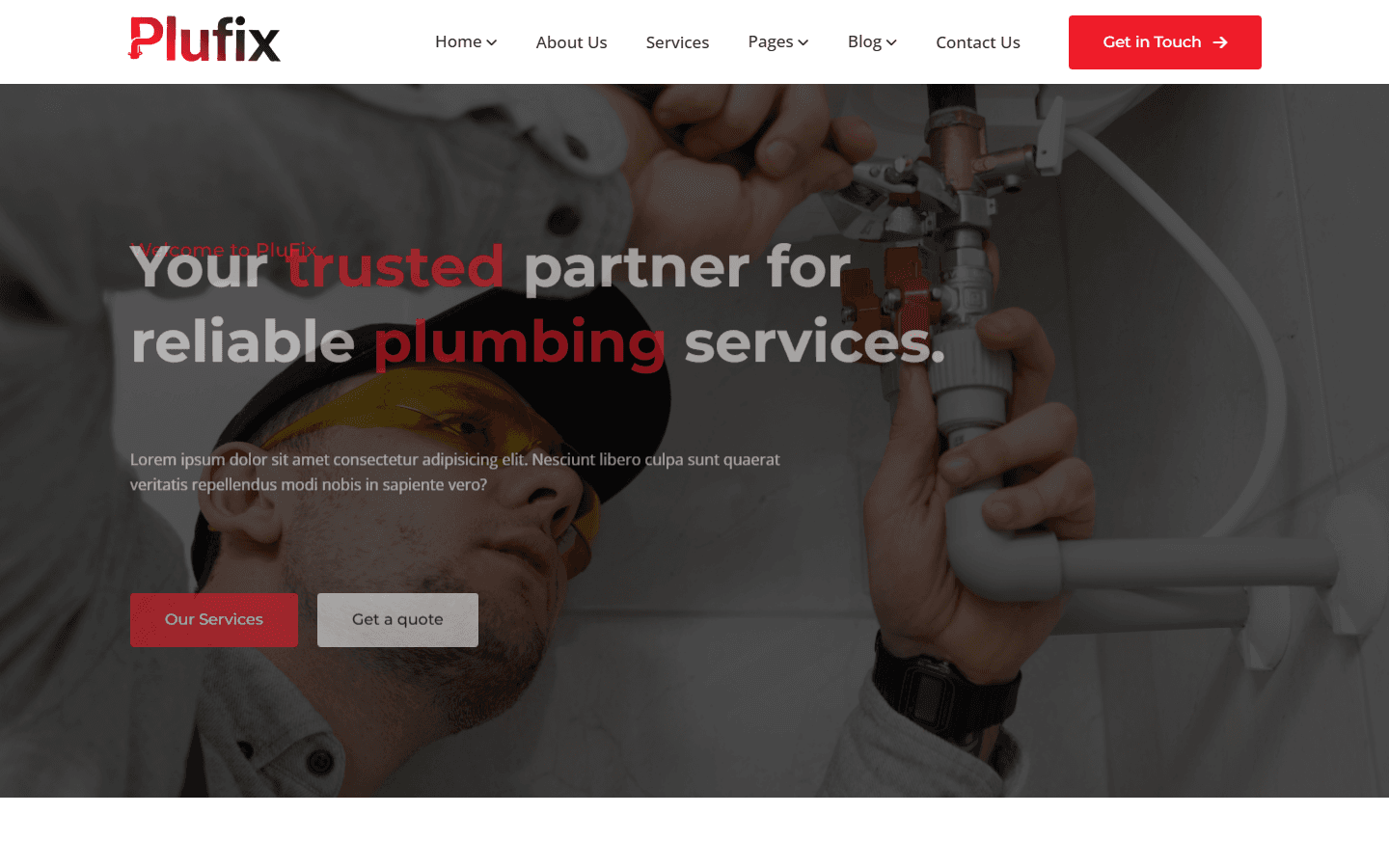
Craft demo · Services
Plufix
A service-business site organized around its offers and inquiry path.
Opens in a new tab
Craft demo · Technology
Cyrex
A technology brand with strong hierarchy and product-led copy.
Opens in a new tab
Craft demo · Lifestyle
Sunova
A lifestyle build with editorial pacing and image-led sections.
Opens in a new tab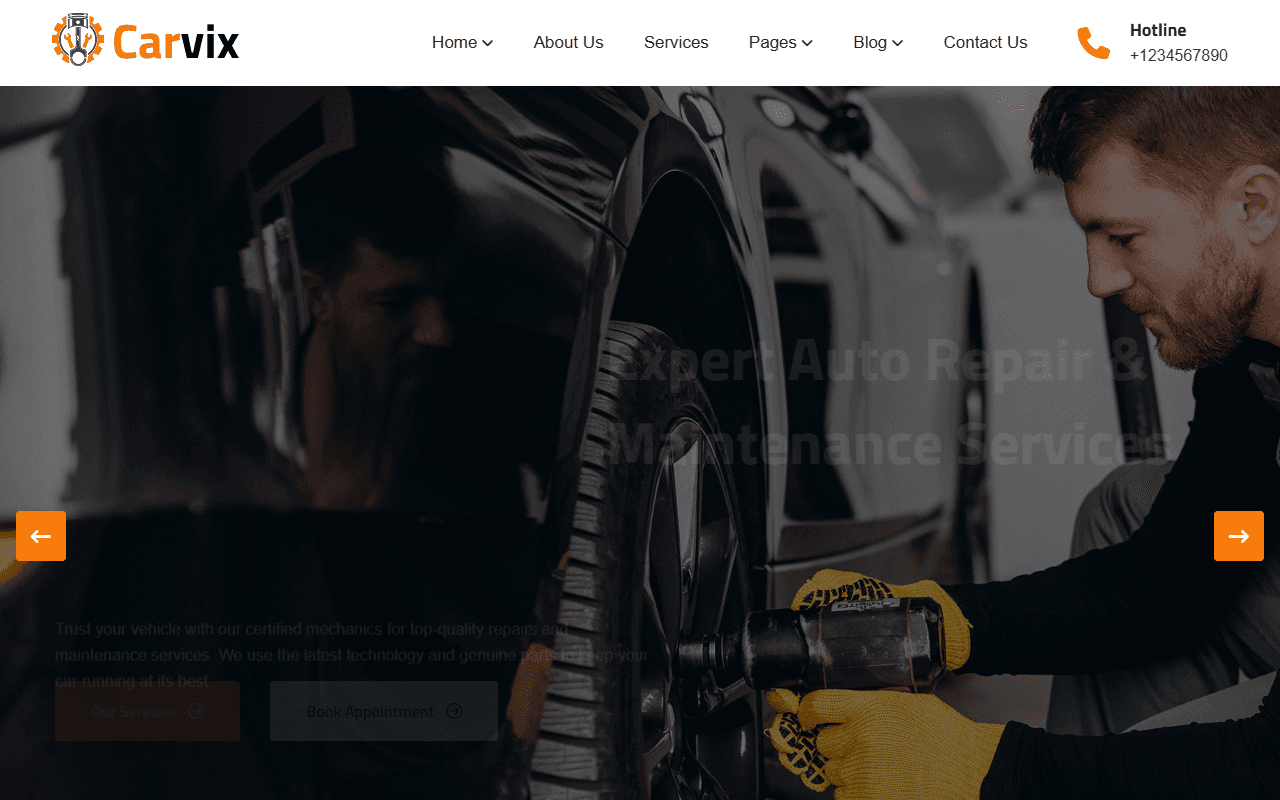
Craft demo · Automotive
Carvix
An automotive layout that keeps the product in focus.
Opens in a new tab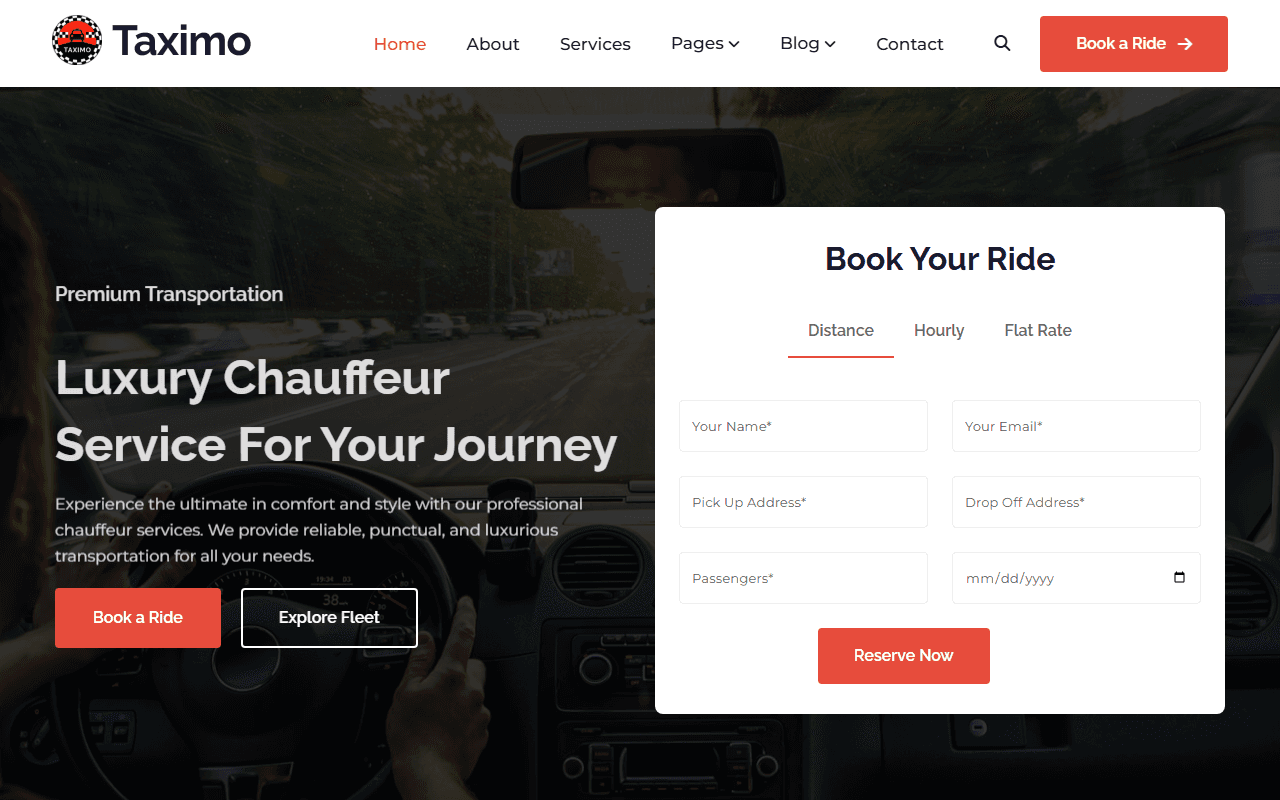
Craft demo · Mobility
Taximo
A mobility site with a short path to action on mobile.
Opens in a new tab
Craft demo · SaaS
Planiq
A SaaS landing page that moves from problem to product to next step.
Opens in a new tab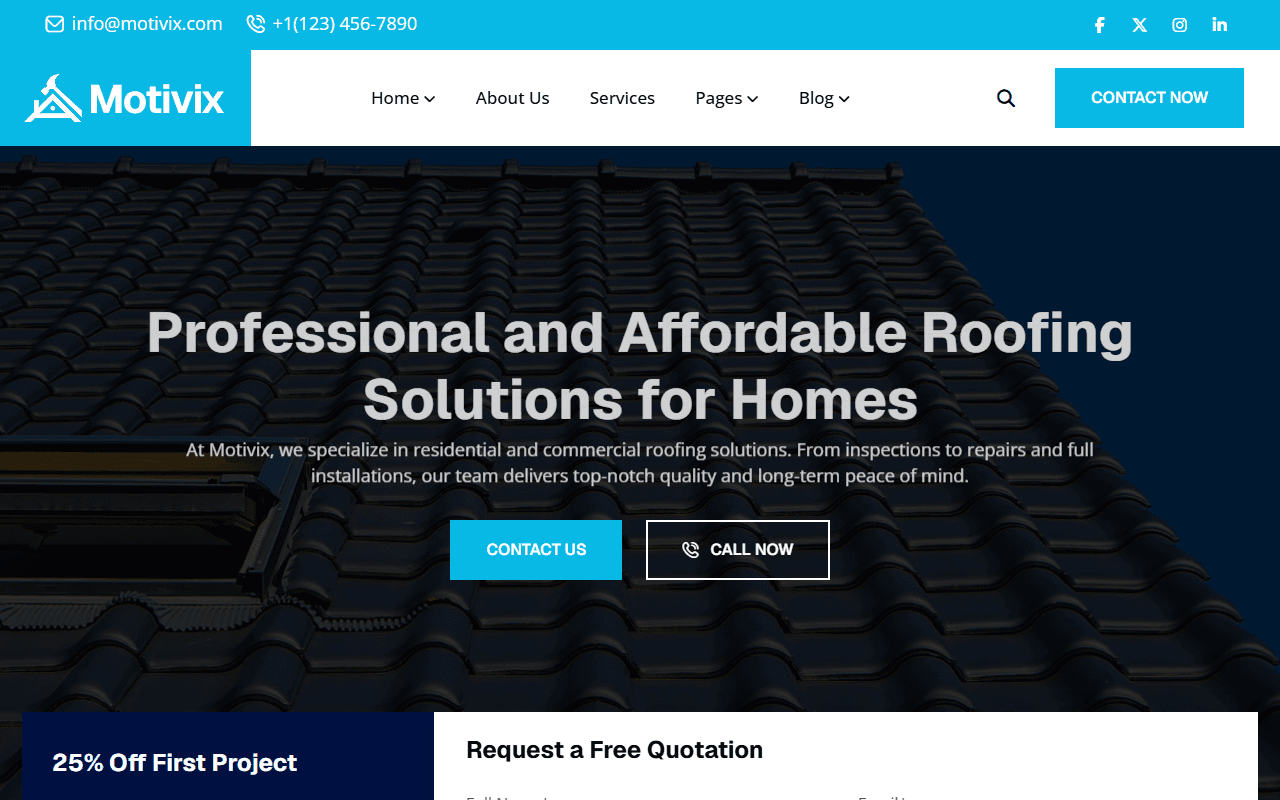
Craft demo · Coaching
Motivix
A coaching site that explains the offer without inflated claims.
Opens in a new tab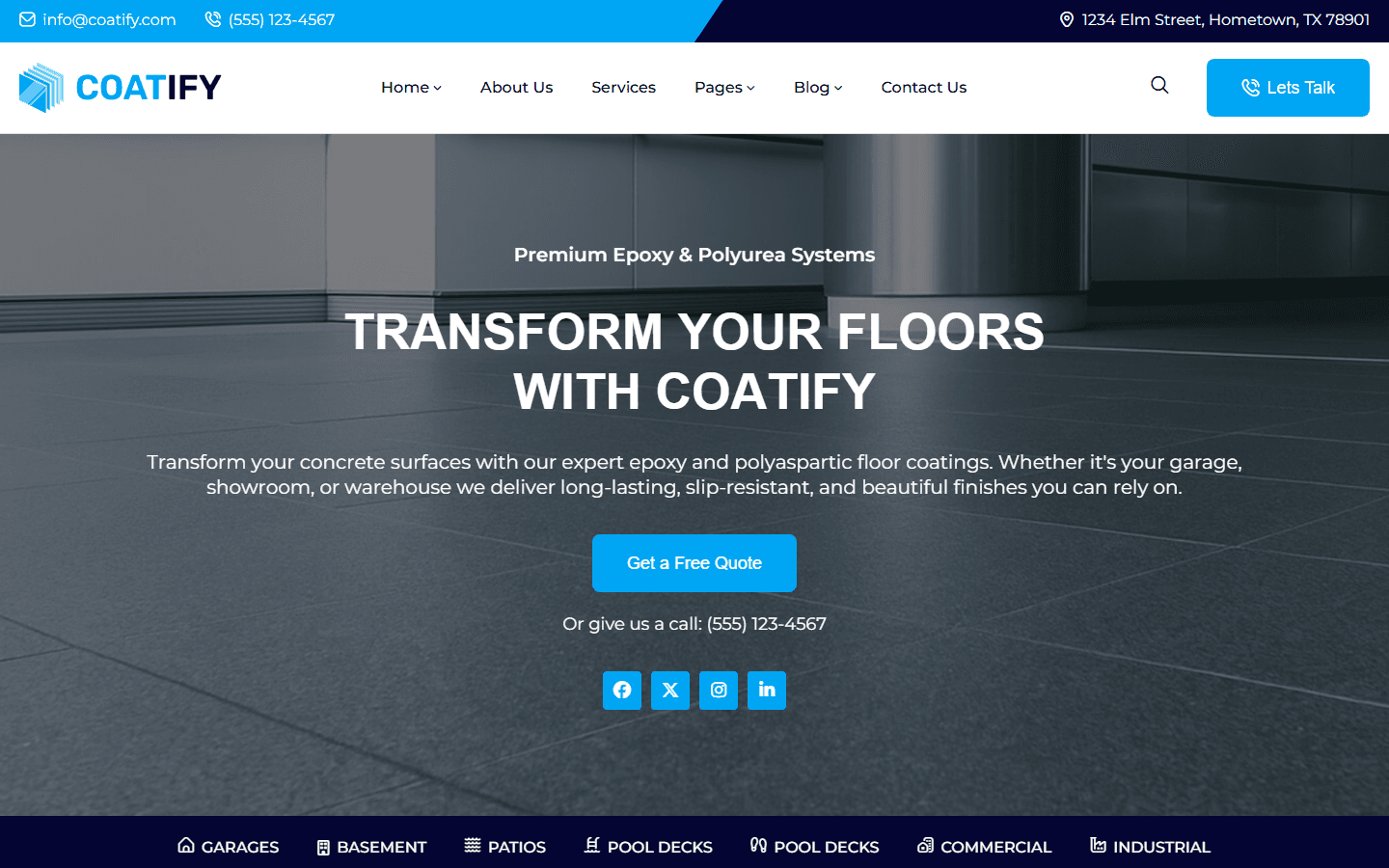
Craft demo · Fashion
Coatify
A fashion retail build with image-led product grids.
Opens in a new tab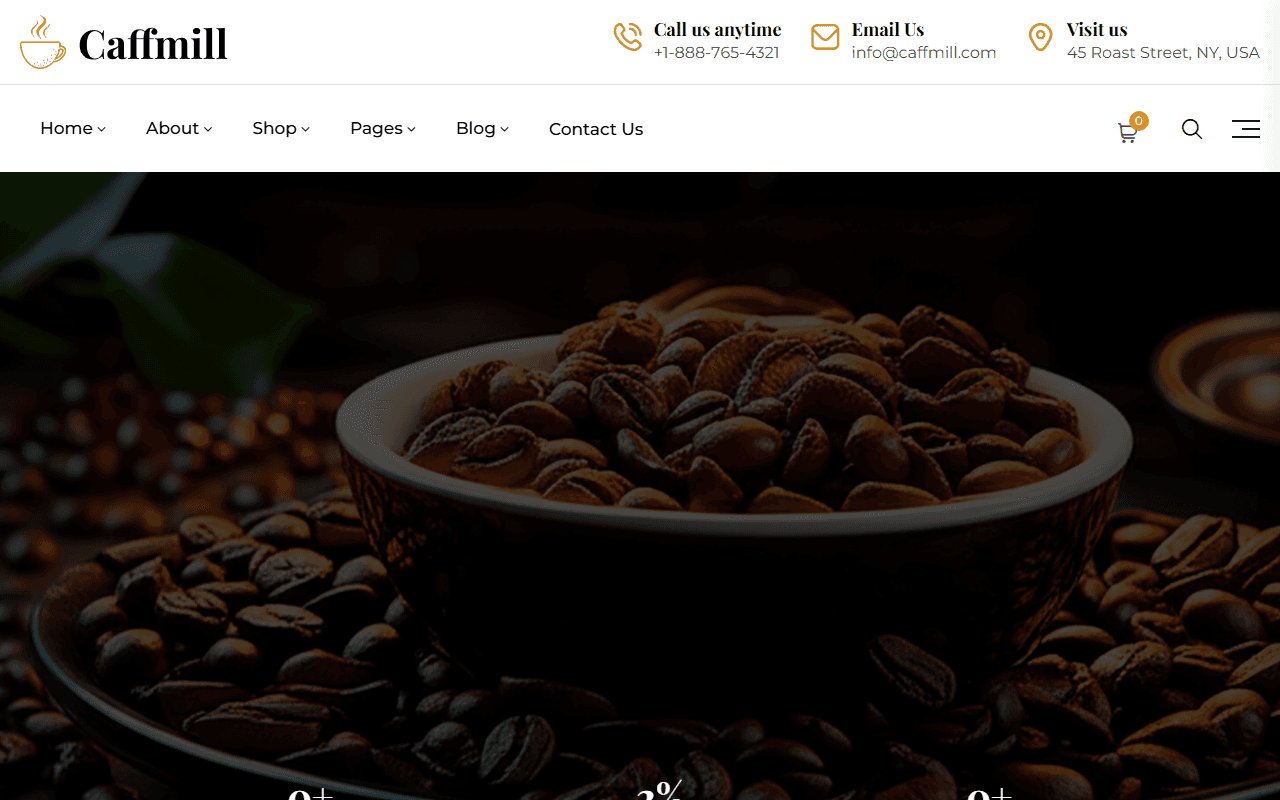
Craft demo · Food & Beverage
Caffmill
A food and beverage site built around the menu and photography.
Opens in a new tab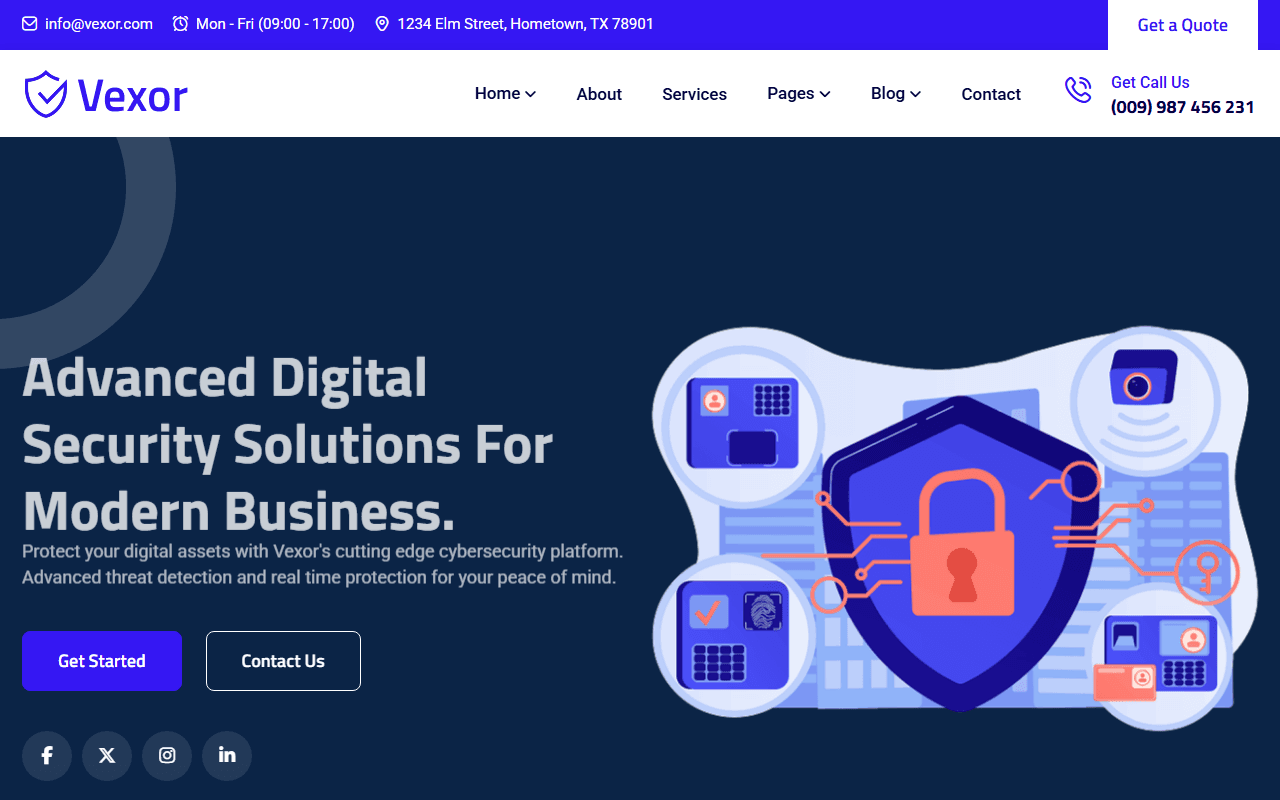
Craft demo · Agency
Vexor
An agency portfolio that puts the work before the contact prompt.
Opens in a new tabA worked example: we audited our own site
Listing the sections of an audit tells you nothing about how good it will be. So here is a real one, run against branddirr.com in September 2026, with the findings we acted on. Same structure you would receive: what we saw, the evidence, why it matters commercially, what we changed, and how we would know whether it worked. Nothing here is anonymised, because it is our own site.
This is our own site, not a client result. It shows how we reason and what a finding looks like written up. It is not evidence of revenue impact for anyone else, and the checks below are how we would measure it, not outcomes we are claiming.
Finding 01
Our homepage headline explained our philosophy before it said what we sell.
- Evidence
- The H1 read "We diagnose what's holding your brand back - and do whatever it takes to fix it." Nowhere above the fold did the page name a service category or an audience.
- Why it matters
- A visitor who arrived looking for a website build or ad management had to read several sections before recognising themselves. Every extra inference is a chance to leave. This is the single most expensive thing to get wrong, because it filters everyone.
- What we changed
- Lead with audience and outcome: "Websites and marketing that help service businesses win more customers." Keep the philosophy line for the brand, but move it below the point where the buyer has decided this page is for them.
- How we would check it worked
- Ask five people in the target market to explain what we sell after eight seconds on the page. Then watch scroll depth and the rate at which homepage visitors reach a service page.
Finding 02
One of our own prices bought something narrower than its label suggested.
- Evidence
- The pricing page listed "AI Automation from $800/month". That $800 is the Supervised Content Operations tier. An actual agent build starts at $4,000 per project. The page showed the cheapest tier's price under the service's name and dropped the tier name entirely.
- Why it matters
- The number was not wrong, but it set an expectation the scope could not meet. A buyer who anchors on $800 and then hears $4,000 does not conclude they misread - they conclude they were misled, and that costs trust at exactly the moment it matters.
- What we changed
- Print the tier name next to every price, and separate one-time projects from monthly retainers so the two are never compared as if equivalent.
- How we would check it worked
- Count how many sales conversations open by disputing or re-anchoring the price. If the label is doing its job, that objection should mostly disappear.
Finding 03
Our service pages argued from a false dichotomy.
- Evidence
- The SEO page paired "Zero organic traffic" with the cost "100% reliance on paid; CAC keeps rising." Both halves are unproven: a business can acquire customers through referrals, partnerships, or outbound, and no organic traffic does not establish that costs are climbing.
- Why it matters
- A sophisticated buyer notices an overclaim immediately, and it makes every other number on the page suspect. Overstating the problem to sell the fix is the fastest way to lose the buyers most able to pay.
- What we changed
- Describe it as a risk worth investigating rather than a proven cost: acquisition leaning on fewer channels than it could. Then find out what the actual mix is before asserting anything about it.
- How we would check it worked
- Track whether discovery calls now start from the client's real acquisition mix instead of correcting a claim we made.
Finding 04
Our navigation menu stayed open on top of the page you had just asked for.
- Evidence
- The mega-menu panel spans the full header width. Clicking "Pricing" navigated correctly, but because the pointer was still inside the panel's container, no mouseleave fired and nothing closed the menu. The destination page sat behind the overlay until you clicked elsewhere.
- Why it matters
- This one is not a copy problem, it is friction on the exact click that signals buying intent. Someone comparing prices had to work out that the page had loaded underneath.
- What we changed
- Close the panel when the route changes, and on the trigger's own click for same-route cases. Keep the existing Escape and focus-out handling.
- How we would check it worked
- A test that clicks a nav item and asserts the destination heading is visible and unobstructed, so the regression cannot come back quietly.
Sample deliverable structures
These are Branddirr’s own deliverable formats, developed in-house. They show the fields and decisions a deliverable would contain. They are not client reports or evidence of client outcomes.
Method preview
Technical SEO audit scorecard
A sample scorecard structure for recording crawlability, Core Web Vitals, indexation, and the order of recommended fixes.
- Example evidence URL
- Severity and effort fields
- Owner and acceptance-check fields
Decision: What should ship first?
Method preview
Keyword and intent architecture
A sample mapping structure that connects buyer questions and missing pages to an offer and conversion path.
- Intent and current-URL fields
- Content-gap field
- Internal-link destination
Decision: Which page earns the next production slot?
Method preview
AI visibility baseline
A sample baseline for recording representative prompts, cited sources, factual accuracy, and referral paths before changes.
- Example prompt set
- Mention and citation fields
- Accuracy and opportunity notes
Decision: What evidence is missing?
Method preview
Source authority plan
A sample plan for assessing publications, directories, partners, and expert contributions without promising placement volume.
- Source-relevance field
- Evidence to contribute
- Status and next-action fields
Decision: Where can the brand add credible value?
Audit us
Inspect the same choices we recommend to clients: HTML-first messaging, reduced-motion fallbacks, canonical contracts, consent before analytics, and a durable lead-capture path. Independent lab scores vary by device, network, and test location.